Selecting Equipment That Matches Actual Risks
Fire Extinguisher Sales in Richmond for businesses replacing aging units or equipping new facilities
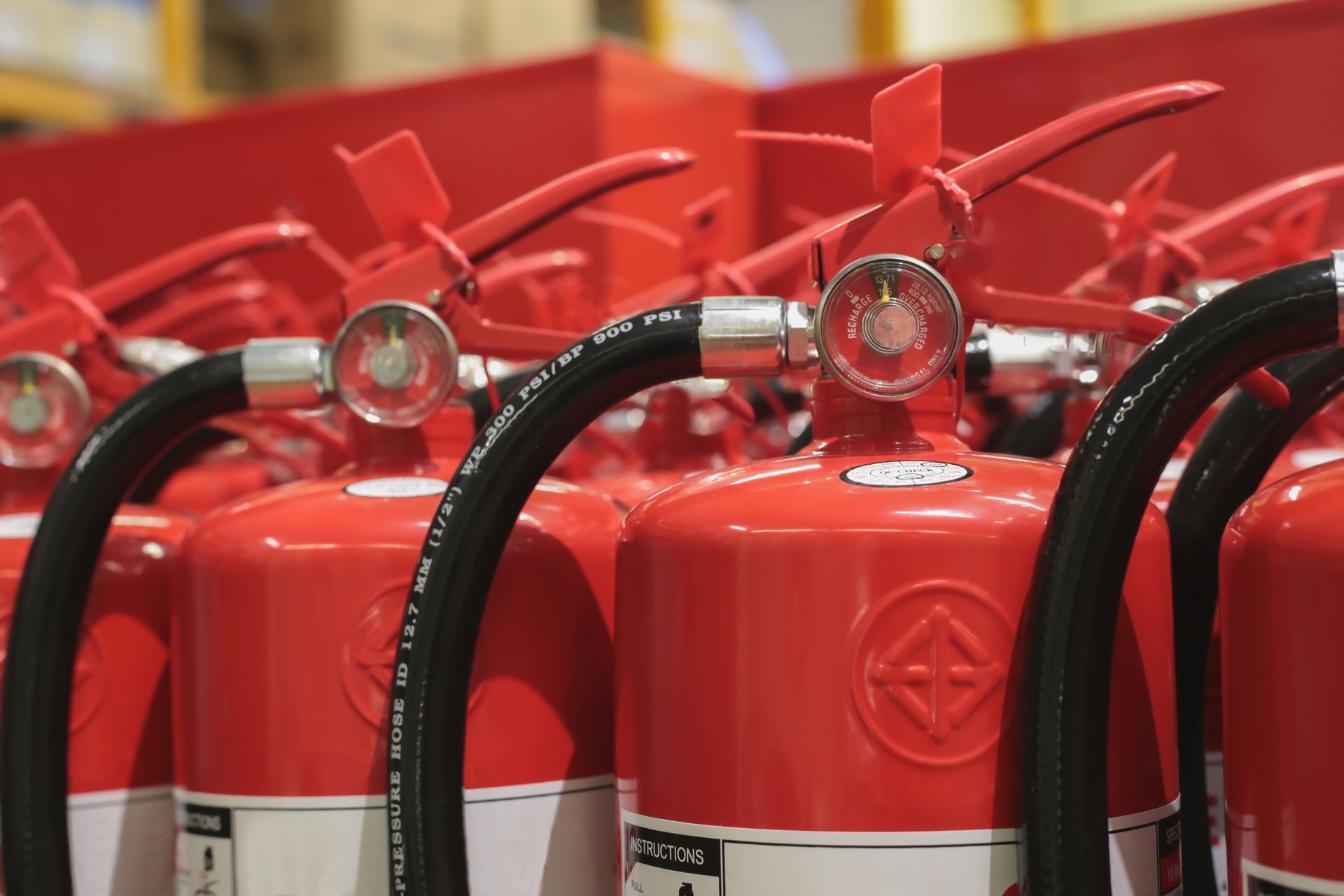
Buying fire extinguishers based solely on price or grabbing whatever model is available at a hardware store leaves businesses with equipment that may not address the specific fire hazards present in their operations. A five-pound extinguisher designed for office use won't control a grease fire in a commercial kitchen, and a unit rated only for ordinary combustibles provides no protection near electrical panels or flammable liquid storage. First Defense Fire Extinguisher and Safety sells fire extinguishers to businesses in Richmond based on matching equipment type, size, and agent to the actual fire risks in each part of the facility rather than applying a one-size-fits-all approach that leaves gaps in coverage.
The selection process considers what materials are present in each area, how quickly a fire could spread in that environment, whether employees have received training to operate larger extinguishers effectively, and what fire code requirements apply to the specific business type. Customers also purchase extinguishers to replace units that have reached the end of their service life, to add coverage when operations expand into new areas, or to upgrade from undersized equipment that doesn't provide adequate protection for current conditions.
Schedule a consultation to discuss extinguisher options based on your facility layout and the specific fire hazards your business faces.
Matching Extinguisher Types to Operational Needs
Different fire classes require different extinguishing agents—dry chemical extinguishers work on most common fires but can damage sensitive electronics, clean agent extinguishers protect computer rooms and data centers without leaving residue, and wet chemical extinguishers are specifically formulated to cool and suppress cooking oil fires that other agents cannot control. Size also matters—a two-and-a-half-pound extinguisher may satisfy minimum code requirements but won't provide enough agent to handle anything beyond a very small fire, while a twenty-pound unit offers more capacity but may be too heavy for some employees to operate effectively under stress.
After purchasing appropriate equipment, your facility has extinguishers positioned where they will actually be used, sized appropriately for the fire risks in each zone, and rated for the types of combustibles present in your operations. Businesses that invest in properly matched extinguishers avoid discovering during an emergency that their equipment is ineffective against the specific fire type they're facing, and they reduce the likelihood of failed inspections caused by incorrect extinguisher placement or inadequate coverage.
Sales also include guidance on how many extinguishers your facility needs based on square footage and travel distance requirements, whether your current equipment should be upgraded to larger or multi-class models, and when specialized extinguishers make sense for unique hazards like vehicle service bays, woodworking areas, or chemical storage rooms. The goal is ensuring every area of your property has access to an extinguisher that will function effectively if a fire starts in that location.
Common Questions About This Service
Richmond-area businesses often ask about extinguisher selection criteria, replacement timing, and what happens after equipment is purchased.
What extinguisher type works best for general office environments?
ABC-rated dry chemical extinguishers handle ordinary combustibles, flammable liquids, and electrical fires, making them suitable for spaces with typical office equipment, paper storage, and minimal specialized fire hazards.
How do we know when existing extinguishers need replacement rather than recharging?
Units manufactured more than twelve years ago, extinguishers with significant external corrosion or physical damage, and models that have been recharged multiple times often reach a point where replacement is safer and more cost-effective than continued service.
What size extinguisher should we buy for each location?
High-risk areas like kitchens, workshops, and storage rooms typically need ten-pound or larger units, while low-risk office areas may only require five-pound extinguishers to meet code, though larger units provide more protection if a fire starts.
When should businesses in the Houston area consider specialty extinguishers?
Properties with server rooms need clean agent extinguishers that won't damage electronics, commercial kitchens require Class K wet chemical units for grease fires, and facilities handling flammable metals may need Class D extinguishers designed for specialized combustible materials.
What happens after we purchase extinguishers?
First Defense Fire Extinguisher and Safety provides installation, initial service tagging, documentation for compliance records, and recommendations for ongoing inspection and maintenance schedules based on the equipment purchased and your operational environment.
First Defense Fire Extinguisher and Safety helps you select extinguishers that provide appropriate protection without overspending on unnecessary capacity or purchasing equipment that doesn't address your actual fire risks. Request a consultation to review your current coverage and discuss replacement or additional extinguisher needs.